AboutGustavo Dudamel
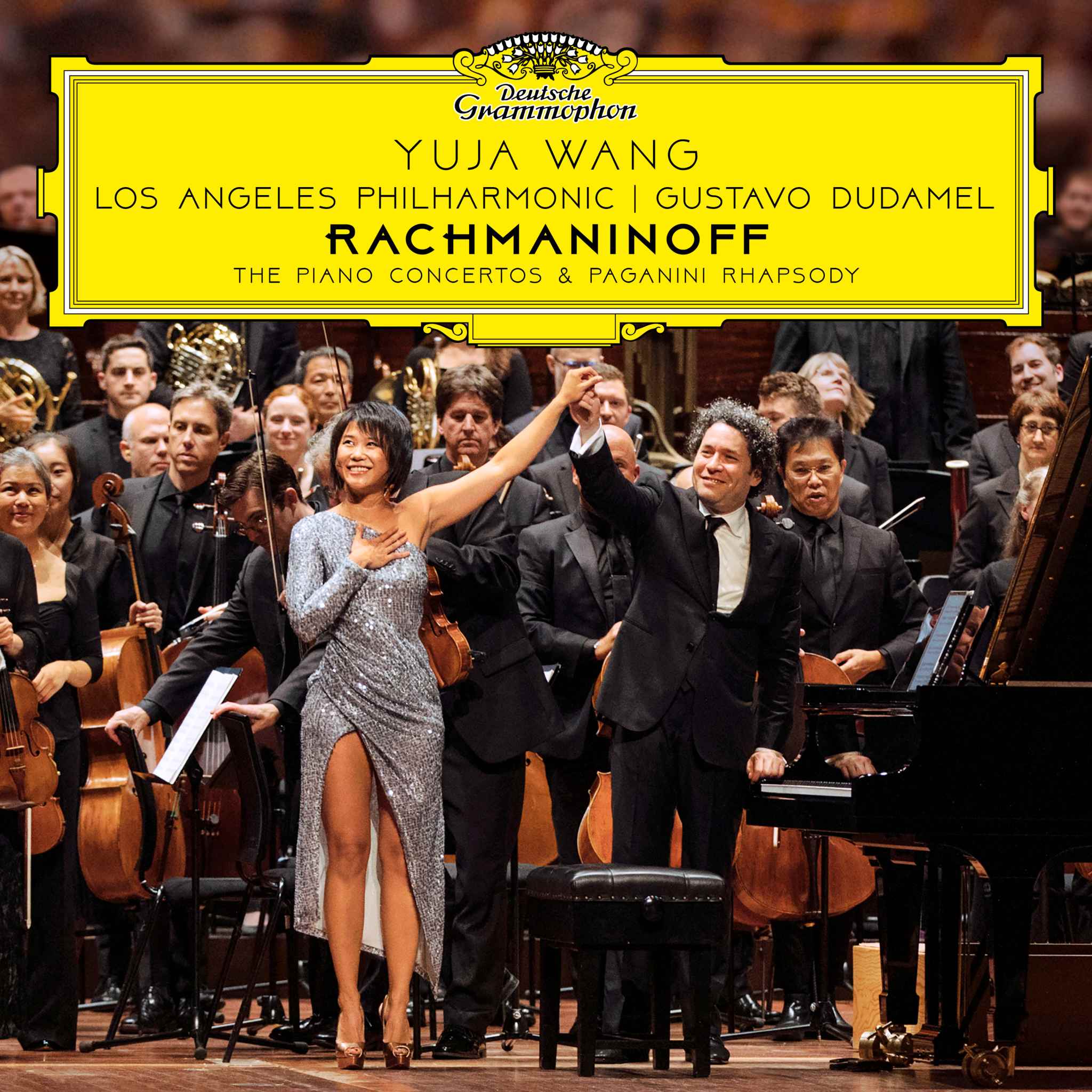
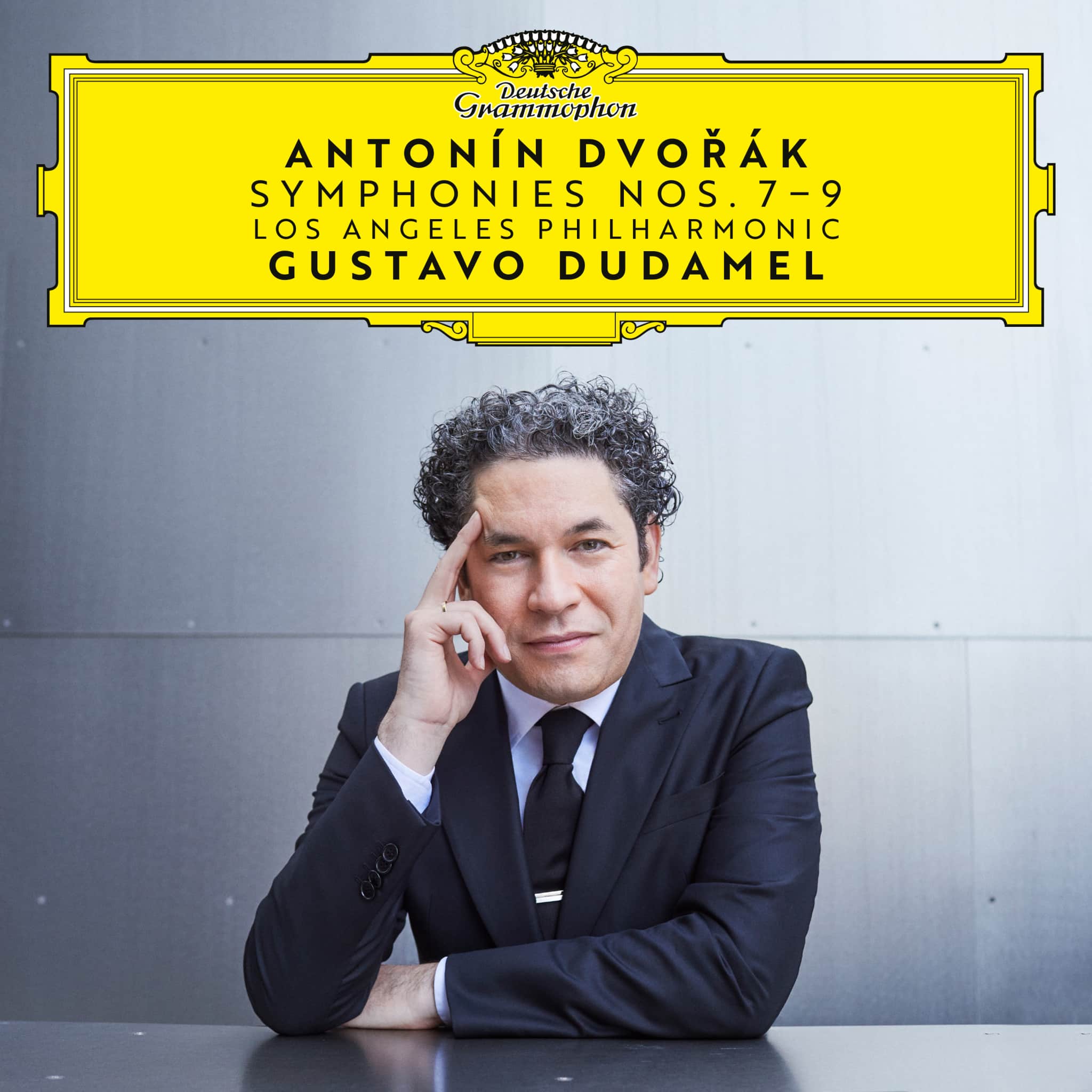
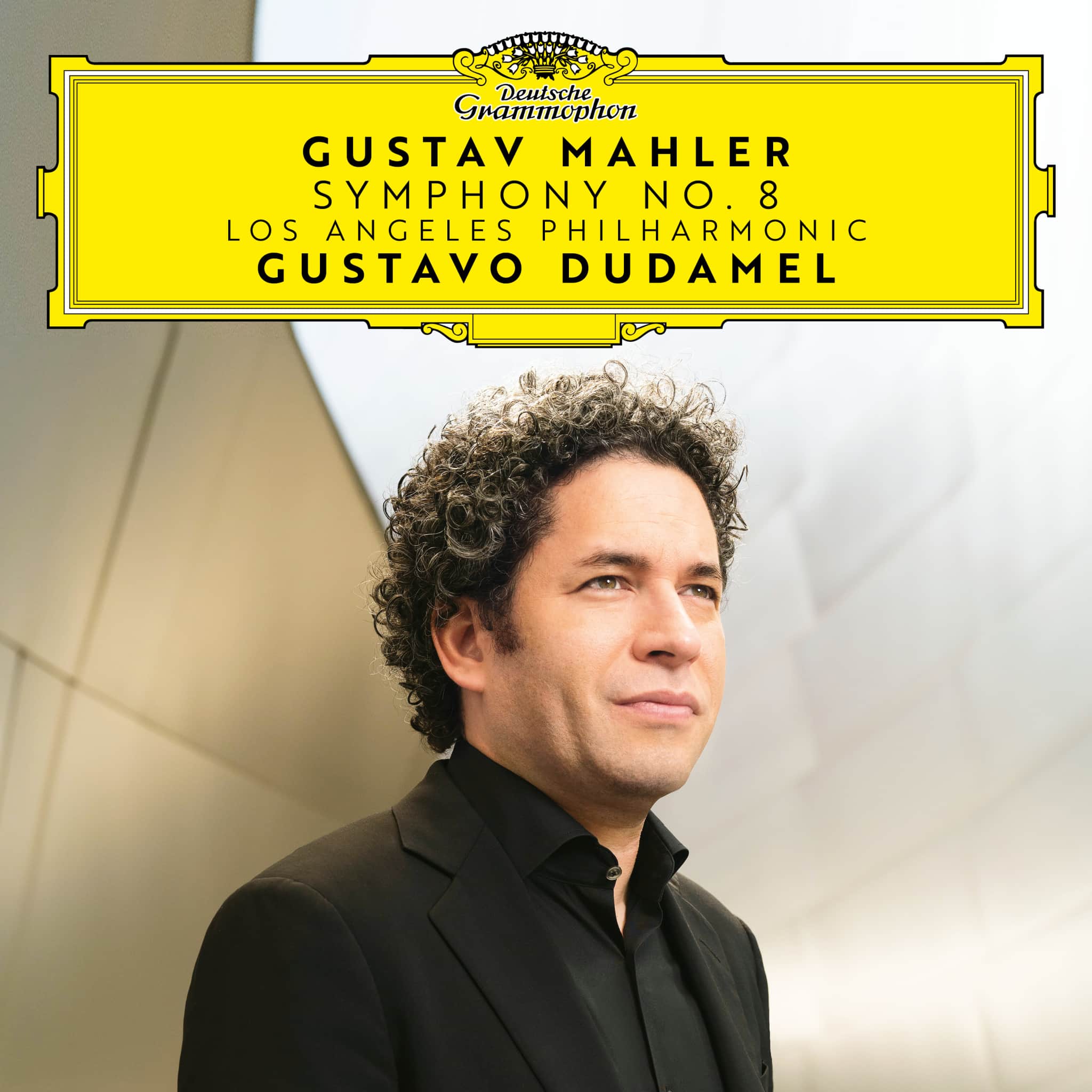
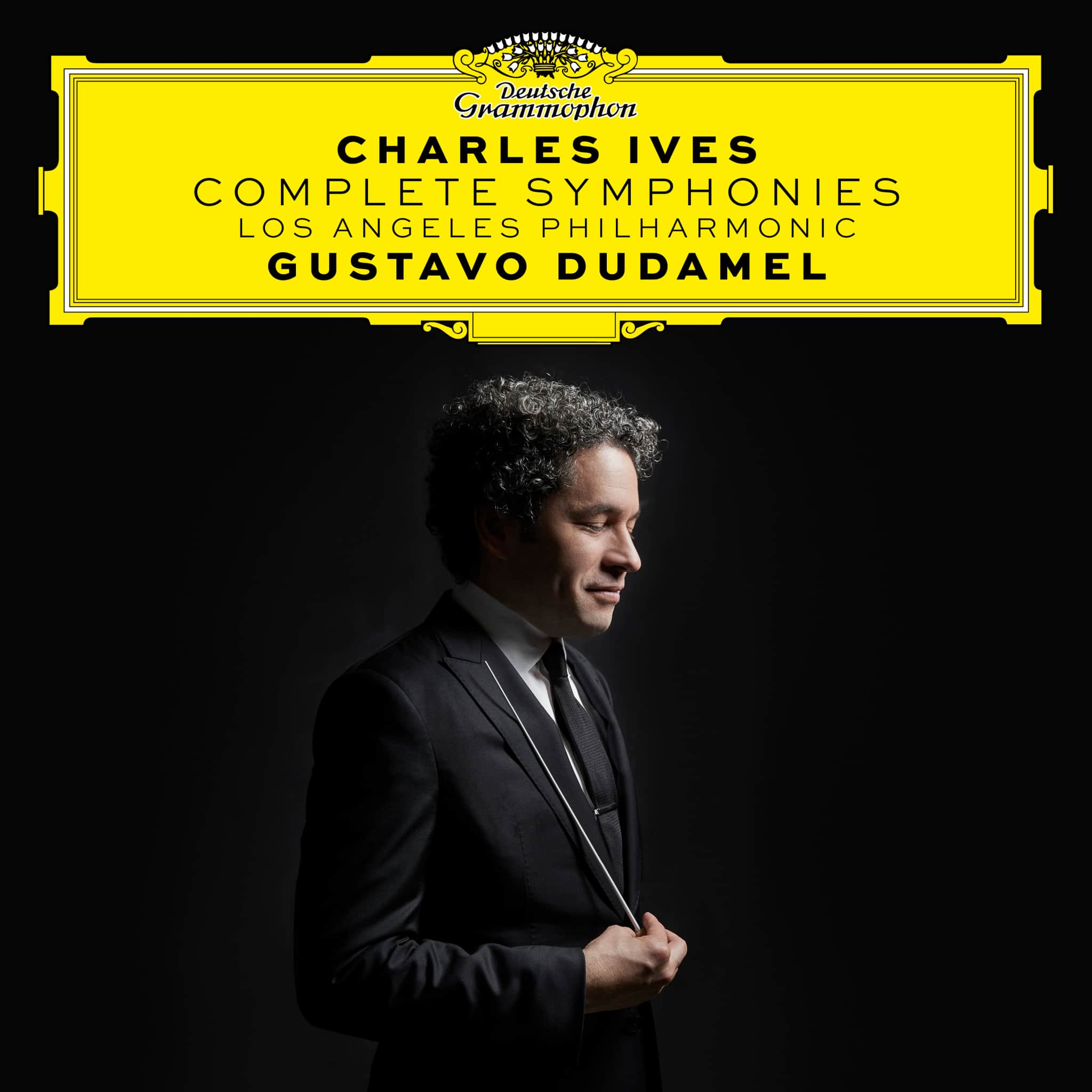
With his conviction in the healing, unifying, and inspiring power of music, Gustavo Dudamel is one of the preeminent conductors of our time. He can be experienced in grand concert halls as well as in classrooms, on video screens, and in cinemas, and his remarkable musical career, as well as his commitment to enabling young people worldwide to access art, are testament to music's extraordinary ability to change people's lives.
At the heart of Dudamel's 2018/19 season are the celebrations of the Los Angeles Philharmonic's (LA Phil) 100th birthday and the 10th anniversary of his tenure as the orchestra's Music and Artistic Director. Further season highlights include his Metropolitan Opera debut with Verdi's Otello; an appearance at the Academy Awards; the orchestra's anniversary tour to Seoul and Tokyo with music by John Adams, John Williams, and Gustav Mahler; projects with the Mahler Chamber Orchestra in Spain; and his first extended university residency at Princeton University.
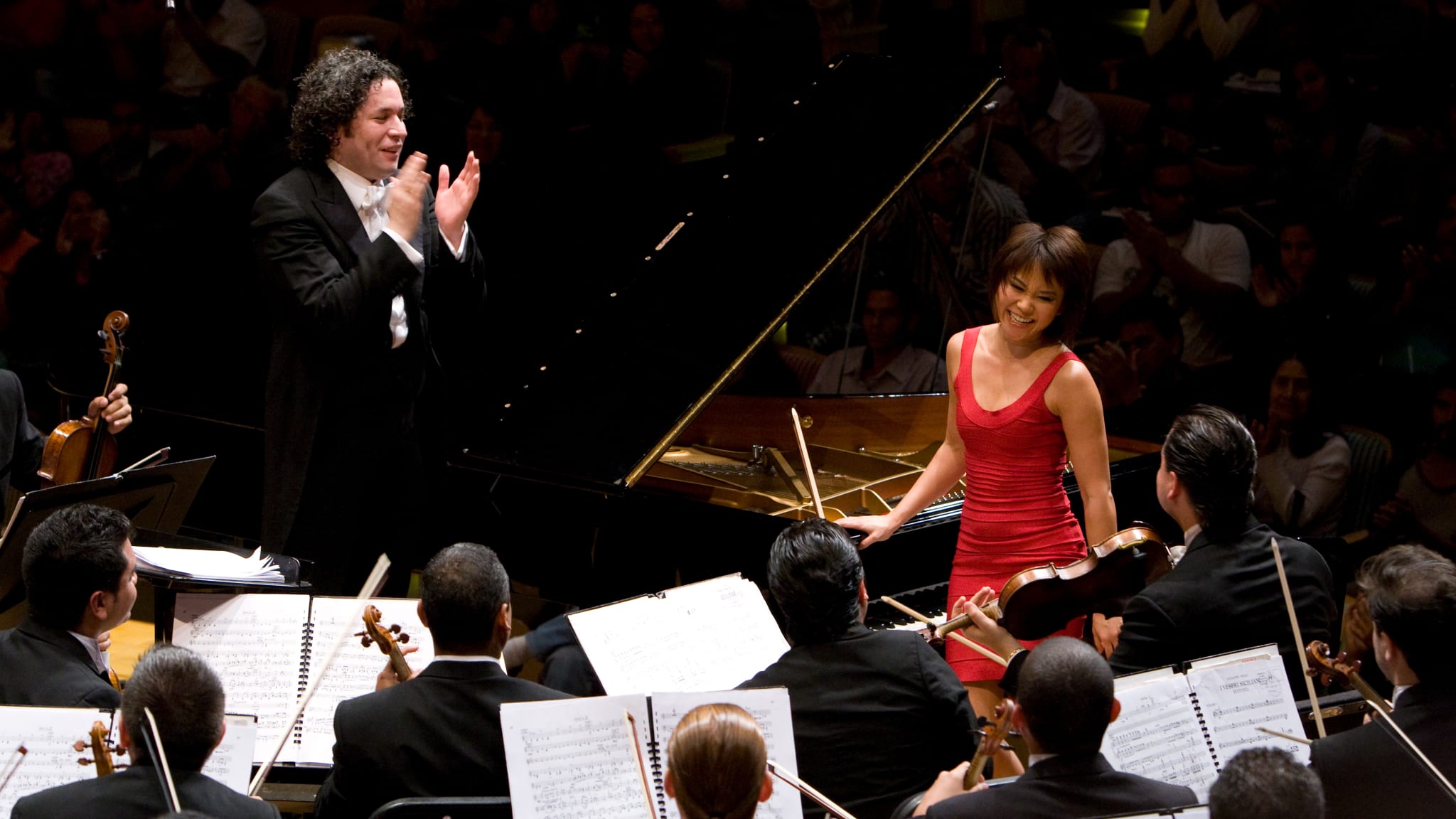
Under Dudamel's leadership, the LA Phil has become one of the leading international orchestras, admired for its commitment to new music, diversity, and inclusion. The LA Phil's 100th season showcases the unusual versatility of both conductor and orchestra, as well as the desire to transcend the traditional boundaries of classical music. Dudamel's approach to music reflects the heterogeneity of his audience, and his commitment to contemporary music is evident in his work with musicians of all musical genres. Chris Martin, Katy Perry, and Natalia Lafourcade stand alongside classical music greats such as John Williams and Lang Lang. As an anniversary gift to the community, the LA Phil will provide 10,000 free tickets for disadvantaged music lovers in Los Angeles.
Connecting Cultures: Engagement Through Music and Education
Firmly believing in music's ability to connect and inspire, Dudamel is particularly committed to the idea of the "United Americas," as he told the New York Times: "The Americas are a united entity. The culture of the Americas – North, South, and Central America – is shaped by the landscape, the people, and the folklore of these wonderful regions. There is great diversity, but also many commonalities. We all belong to the 'New World' with all the sense of youth, hope, diversity, and courage that this term has encompassed for generations."
His "Americas" tour with the Vienna Philharmonic in 2018 was underscored by an "Art and Citizenship" workshop in Mexico City, which brought together 300 young people from North and South America as an expression of cultural solidarity. In his efforts to draw more attention to the importance of music education, he has visited the United Nations and the White House, and he used his appearance at the 2017 Nobel Prize Concert to deliver a speech on the connection between art and science.
Dudamel's lifelong dedication to music education and social development through art stems from his childhood experiences with El Sistema, the extraordinary program of immersive musical training founded by conductor José Antonio Abreu in 1975. Dudamel, who has now been Music Director of the Simón Bolívar Symphony Orchestra for almost 19 years, continues the work of his late mentor by advocating for El Sistema in Venezuela and supporting numerous inspired projects worldwide, such as Big Noise in Scotland, the Superar Wien program, SerHacer in Boston, and El Sistema Sweden.
Dudamel is also constantly expanding the reach of his Youth Orchestra Los Angeles (YOLA) initiative. Inspired by Dudamel's work, YOLA was founded in 2007, modeled after El Sistema. The program has provided more than 1,200 children from disadvantaged backgrounds in the Los Angeles area with access to quality music education. In 2019, a new building designed by architect Frank Gehry for YOLA will be constructed in Inglewood, California.
Connecting with New Audiences Through Media and Entertainment
As one of the few classical musicians who truly reach a mainstream audience while maintaining the highest musical integrity, Gustavo Dudamel has been a guest on CBS's 60 Minutes three times and was the subject of the PBS special Dudamel: Conducting a Life. He has been interviewed by Christiane Amanpour on CNN, Conan O'Brian on Conan, Stephen Colbert on The Late Show, and Elmo on Sesame Street. In 2018, Dudamel was featured in the New York Times Sunday Magazine: "What Makes Superstar Gustavo Dudamel So Good." He had a cameo role in the award-winning Amazon Studios series Mozart in the Jungle, and together with members of YOLA, he was the first classical musician ever to perform at the Super Bowl halftime show – alongside pop stars like Coldplay, Beyoncé, and Bruno Mars. In 2017, he was the youngest conductor ever to lead the legendary New Year's Concert of the Vienna Philharmonic, which was watched by over 60 million viewers in 90 countries. At John Williams' personal request, he guest-conducted the soundtrack for Star Wars: The Force Awakens; he also recorded James Newton Howard's soundtrack for the Disney Christmas film The Nutcracker and the Four Realms.
Through broadcasts of his performances in cinema, television, radio, and online, Dudamel has reached hundreds of millions of people worldwide. Many of his recordings have won Grammy Awards, including the definitive recording of John Adams' Gospel According to the Other Mary (commissioned and performed by the LA Phil); the soundtrack for the film Libertador, for which Dudamel composed the music; works by Richard Strauss with the Berlin Philharmonic; Mahler's Symphonies No. 5 and 7 with the Simón Bolívar Symphony Orchestra; and Mahler's Symphony No. 9 with the LA Phil. A benefit LP by the Vienna Philharmonic featuring Mendelssohn's "Scottish Symphony" raised funds for music education projects in Latin America, and children from the Vienna Superar program participated in his Deutsche Grammophon recording of Mussorgsky's Pictures at an Exhibition. Dudamel has also produced an all-Wagner program available only for download and streaming, as well as all of Beethoven's symphonies from the Palau de la Música in Barcelona and a broadcast of two Stravinsky ballets in collaboration with the Berlin Philharmonic's Digital Concert Hall.
Awards and Recognitions
Gustavo Dudamel is one of the most awarded conductors of his generation. In 2019, he was inducted into the Hollywood Walk of Fame as one of the greatest conductors in today's classical music scene and received the Distinguished Artist Award from the International Society for the Performing Arts (ISPA). In 2018, he received the Gish Prize, the PAEZ Medal of Art, and the Pablo Neruda Order of Artistic and Cultural Merit, in 2016 the Americas Society Cultural Achievement Award, and in 2014 the Leonard Bernstein Lifetime Achievement Award for the Elevation of Music in Society from the Longy School of Music. He was named Musician of the Year by Musical America in 2013, one of the highest honors in the classical music industry, and was elected to the Gramophone Hall of Fame. In October 2011, he was named Gramophone Artist of the Year, and in May of that year, he was admitted to the Royal Swedish Academy of Music for his "extraordinary services to music." The previous year, he received the Eugene McDermott Award in the Arts at the Massachusetts Institute of Technology. Dudamel was inducted as a Chevalier into the Ordre des Arts et des Lettres in Paris in 2009 and received an honorary doctorate from the Universidad Centroccidental Lisando Alvarado in his hometown of Barquisimeto, Venezuela. In 2012, he received an honorary doctorate from the University of Gothenburg. In 2008, the Simón Bolívar Youth Orchestra was awarded the Prince of Asturias Award in the Arts category, and together with his mentor José Antonio Abreu, Dudamel received Harvard University's Q Prize for outstanding work with children. Time Magazine listed him among the 100 most influential people in 2009.
Beginnings and Education
Gustavo Dudamel was born in Barquisimeto, Venezuela, in 1981. As a child, he received violin lessons from José Luis Jiménez and Francisco Díaz at the Jacinto Lara Conservatory. He continued his studies with Rubén Cova and José Francisco del Castillo at the Latin American Violin Academy. He began his conducting studies in 1993 when he was hired as assistant conductor by the Amadeus Chamber Orchestra. In 1996, he studied with Rodolfo Saglimbeni, and in the same year, he became Music Director of the Amadeus Chamber Orchestra. In 1999, he was appointed Music Director of the Simón Bolívar Youth Orchestra and began conducting studies with the orchestra's founder, José Antonio Abreu. In 2004, Dudamel gained international attention when he won the first Gustav Mahler Conducting Competition of the Bamberger Symphoniker. From 2007 to 2012, he was Music Director of the Gothenburg Symphony Orchestra, of which he is now Honorary Conductor. Against the backdrop of his early musical and educational experiences, he founded the non-profit Gustavo Dudamel Foundation in 2012, which advocates for access to music as a human right and as a catalyst for learning, integration, and social change.
2/2019