
Concerts and Operas




Albums




Appears On





AboutMischa Maisky

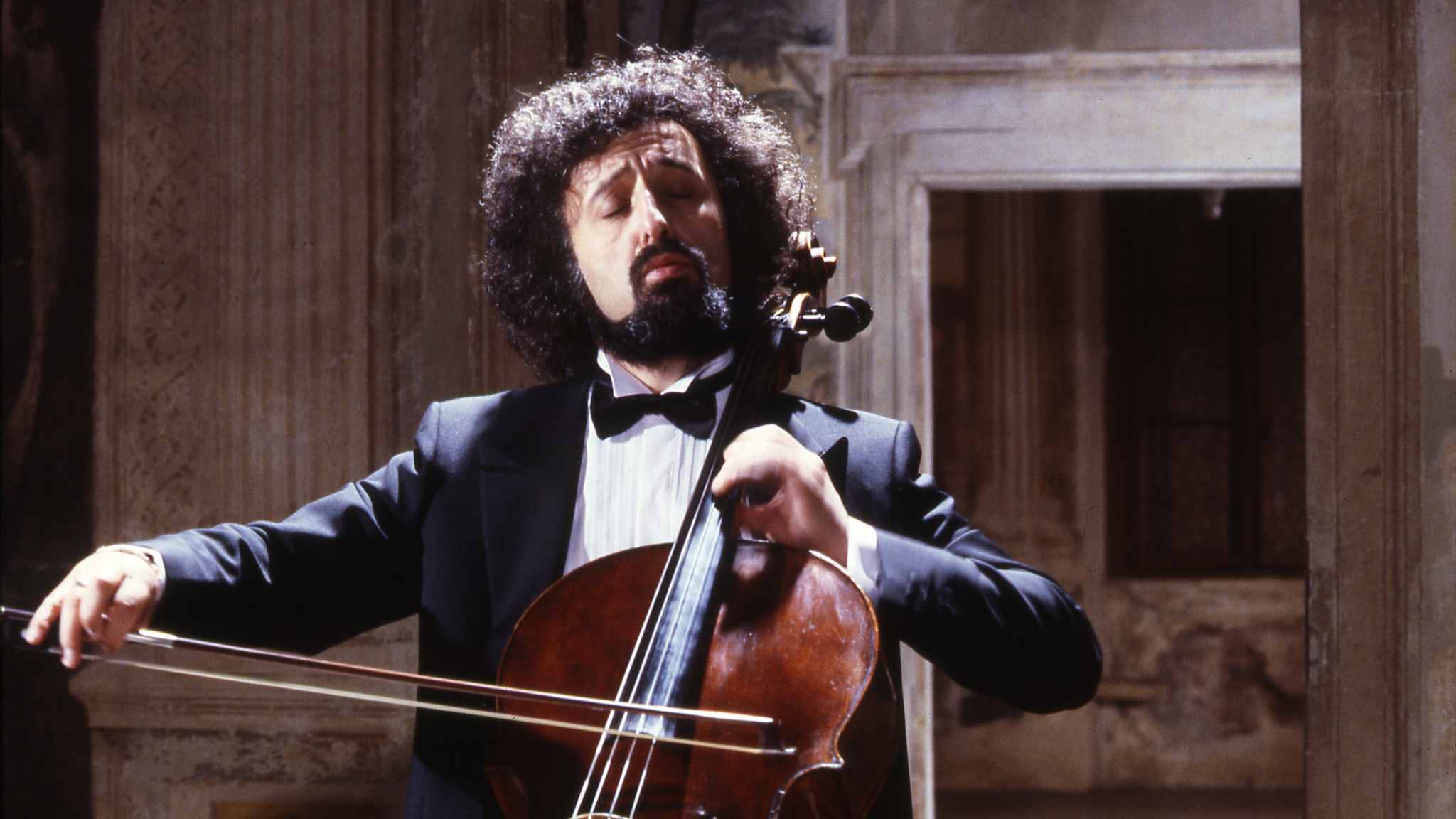
Mischa Maisky was born on January 10, 1948, in Riga, Latvia. He began cello lessons at the age of eight, first at the municipal music school, then at the Riga Conservatory. In 1962, he transferred to the Leningrad Conservatory and first gained recognition in 1965 when he won first prize at the national Soviet music competition. Following his debut with the Leningrad Philharmonic, the press even dubbed him "the Rostropovich of the future."
The following year, he won the International Tchaikovsky Competition in Moscow and was accepted into Mstislav Rostropovich's master class at the Conservatory there. After his sister went into exile in Israel in 1969, Maisky was perceived as an enemy of the state by the Soviet system. He was arrested and, in 1970, sent to a labor camp. For more than two years, he was unable to touch his instrument and only managed to escape to Israel in the winter of 1972.
Maisky initially settled in Israel, then in Brussels. In 1973, he won the Gaspar Cassadó International Cello Competition in Florence and also had the opportunity to make his debut at Carnegie Hall with the Pittsburgh Symphony Orchestra under the direction of William Steinberg. One of his admirers was so enthusiastic that he provided him with an 18th-century Montagnana cello as a permanent loan. In 1974, Maisky took lessons again, as a master student of Gregor Piatigorsky. He is thus the only cellist to have studied with both Rostropovich and Piatigorsky.
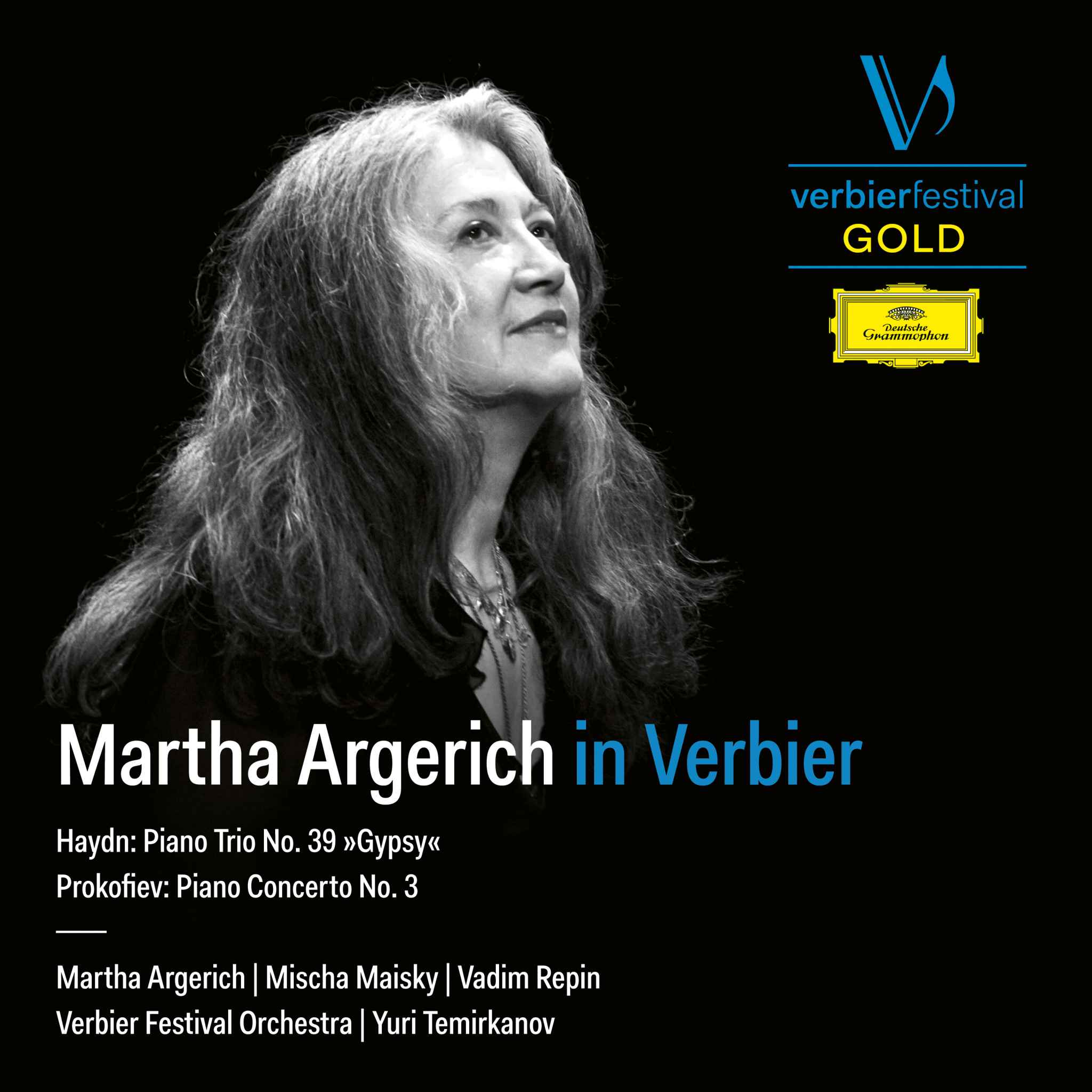
From 1975 onwards, Maisky successfully established himself internationally on the great concert stages. He first toured the USA, Europe, Australia, and the Far East, played for the first time in London in 1976, and there again in 1977 for the first time with Radu Lupu, one of his preferred chamber music partners alongside Martha Argerich and Malcolm Frager. In 1982, his collaboration with Deutsche Grammophon began with the recording of Brahms' "Double Concerto" together with Gidon Kremer and the Vienna Philharmonic under the baton of Leonard Bernstein. Since 1985, Maisky has been exclusively associated with the label and has since realized numerous magnificent recordings, including his first version of Bach's "Cello Suites" in the same year. He also intensified his cooperation with Argerich. In 1992, he performed for the first time at the London Proms, and the following year he gave a spectacular duo concert with Argerich at the Salzburg Festival.
The following years were marked by continuous work in the studio and on stage, which made Maisky one of the most important cellists of his generation. Among the many unusual projects was, for example, the Bach Marathon in Zurich in 2000, where he presented all of Bach's cello works in one day in three consecutive concerts. In fact, Maisky gave more than 100 concerts with Bach's works all over the world that year. In 2001, the highly acclaimed duo CD "Live In Japan" with Argerich and works by Chopin, Franck, and Debussy was released. With her, he also performed at Carnegie Hall and the Kennedy Center in 2002, and he also worked closely with Sergio Tiempo ("Cello Sonatas," Mendelssohn) and Vadim Repin.
In 2003, he could be seen at the festivals in Verbier, Dubrovnik, and Torroella, as well as throughout Europe and the Far East (especially with Dvořák's "Cello Concerto"). A live recording with Argerich and the "Cello Sonatas" by Prokofiev and Shostakovich and Stravinsky's "Suite Italienne" was also made in Brussels.
The following months took Maisky to Riga (Latvian National Symphony Orchestra), Spain, Germany, Rome (with Chung and the Orchestra di Santa Cecilia), London (Royal Philharmonic Orchestra), Lisbon (Gulbenkian Orchestra), Paris (Orchestre Philharmonique de Radio France), Baltimore and Washington D.C. (Baltimore Symphony Orchestra), with his primary interest being Dvořák's Cello Concerto, which Maisky had already recorded for Deutsche Grammophon in 2003 with Mehta and the Berlin Philharmonic.
6/2005